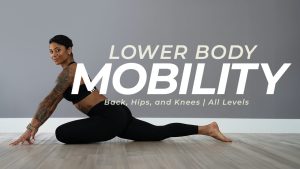

Why Lifting Matters During Perimenopause and Beyond
When we talk about muscle, bones, and joint health, estrogen is often left out of the conversation. Yet from a physiological standpoint, estrogen plays a central role in how the female body adapts to training, repairs tissue, and maintains structural integrity over time.
Understanding how estrogen functions, and what happens when levels begin to decline, is critical for anyone studying human movement, exercise science, or long-term health. This is especially true during perimenopause and postmenopause, when hormonal shifts directly affect muscle mass, joint health, and recovery capacity.
Let’s break down the science.
What Is Estrogen, Exactly?
Estrogen is a group of hormones primarily responsible for regulating the female reproductive system, but its influence extends far beyond reproduction. Estrogen receptors (specialized protein “locks” that estrogen binds to) are found in:
- Skeletal muscle
- Bones
- Tendons and ligaments
- Cartilage
- The brain
- The cardiovascular system
In simple terms: estrogen communicates with many tissues that are essential for movement, strength, and resilience.
Estrogen and Muscle Tissue
Muscle Protein Synthesis (MPS)
Muscle Protein Synthesis is the biological process through which your body repairs and builds muscle after exercise. Estrogen has been shown to support MPS by:
- Enhancing muscle repair
- Reducing muscle breakdown
- Supporting satellite cell activity (cells that help muscles regenerate)
In layman’s terms: Estrogen helps your muscles recover and grow after you challenge them.
As estrogen levels decline, commonly during perimenopause and menopause, the balance shifts toward greater muscle loss if strength training is not present.
This is one reason women often notice:
- Loss of strength
- Decreased muscle tone
- Slower recovery
Typically, it’s not because they’re “doing something wrong,” but because the hormonal environment has changed.

Estrogen’s Protective Role in Joints and Connective Tissue
Collagen and Connective Tissue
Collagen is the main structural protein in tendons, ligaments, and cartilage. Estrogen helps regulate collagen production and organization.
When estrogen levels are healthy:
- Tendons remain more elastic
- Joints tolerate load better
- Movement feels smoother and less stiff
When estrogen declines:
- Collagen turnover slows
- Tissues become stiffer
- Joint discomfort and injury risk may increase
This is why joint pain often appears during hormonal transitions, even in active individuals.
Estrogen, Inflammation, and Pain
Estrogen also has anti-inflammatory properties.
Inflammation is part of the healing process, but chronic inflammation can:
- Slow recovery
- Increase joint pain
- Reduce training tolerance
Lower estrogen levels can result in higher baseline inflammation, which is why training strategies must become more intentional, not more aggressive, with age.
Why Resistance Training Matters More With Age
Resistance training (lifting weights or using external resistance) acts as a powerful signal to the body that muscle, bone, and connective tissue are still needed.
From a physiological perspective, lifting:
- Stimulates muscle protein synthesis
- Increases bone mineral density
- Strengthens tendons and ligaments
- Improves joint stability
In short: strength training compensates for declining estrogen by activating alternative pathways that preserve muscle and joint health.
This isn’t about lifting heavier at all costs. It’s about lifting consistently and strategically.
The Importance of Structured Strength Training
Random workouts don’t provide the same adaptive benefits as a structured, progressive program. For women navigating hormonal changes, structure matters because it allows for:
- Proper load management
- Balanced muscle development
- Joint-friendly movement patterns
- Built-in recovery
A well-designed strength program, such as my Sculpt Foundations program, prioritizes form, progressive overload (gradually increasing difficulty), movement quality, and a holistic approach including a focus on the core and addressing some of the common movement dysfunctions in the general population. All of these are key components for long-term success.
Using Strength Training As Your First Line of Defense
As estrogen declines during peri- and post-menopause, the changes women may notice in body composition, mood, sleep, recovery, and bone density can be improved when strength training is practiced regularly.
Strength training doesn’t replace estrogen, but it helps compensate for its decline by:
- Preserving lean muscle mass
- Protecting bone density, which plays a big role in longevity (the work you put in now will help improve your quality of life in your 70s, 80s, and beyond!
- Improving insulin sensitivity, which you can read more about in this blog.
- Supporting metabolic health
- Enhancing posture and joint stability
Resistance training stimulates muscle and bone tissue directly, helping maintain strength, structure, and resilience as hormone levels shift.
In addition to adding strength training to compensate for the natural estrogen decline, there are some steps we can take to help regulate our hormones overall.
Reduce Exposure to Endocrine-Disrupting Chemicals (EDCs)
One of the most overlooked contributors to hormonal imbalance is exposure to endocrine-disrupting chemicals, which are compounds that interfere with normal hormone signaling.
These are commonly found in everyday products, including:
- Conventional makeup and skincare containing parabens and phthalates (Parabens can mimic estrogen in the body, potentially disrupting natural hormonal signaling, while some phthalates have been shown to interfere with the endocrine system, affecting how hormones are produced, metabolized, and regulated)
- Synthetic fragrances in air fresheners, scented candles, perfumes, and cleaning products
- Plastic food containers and water bottles, especially those containing BPA
- Non-stick cookware with chemical coatings
- Processed food packaging
- Unfiltered tap water, which may contain trace pharmaceuticals, pesticides, or industrial residues
Practical ways to reduce exposure:
- Choose fragrance-free or naturally scented products
- Use cleaner cosmetic and body care brands
- Store food in glass or stainless steel instead of plastic
- Switch to stainless steel or cast-iron cookware
- Install a high-quality water filter
These small shifts lower the body’s toxic burden and help protect healthy hormonal communication.
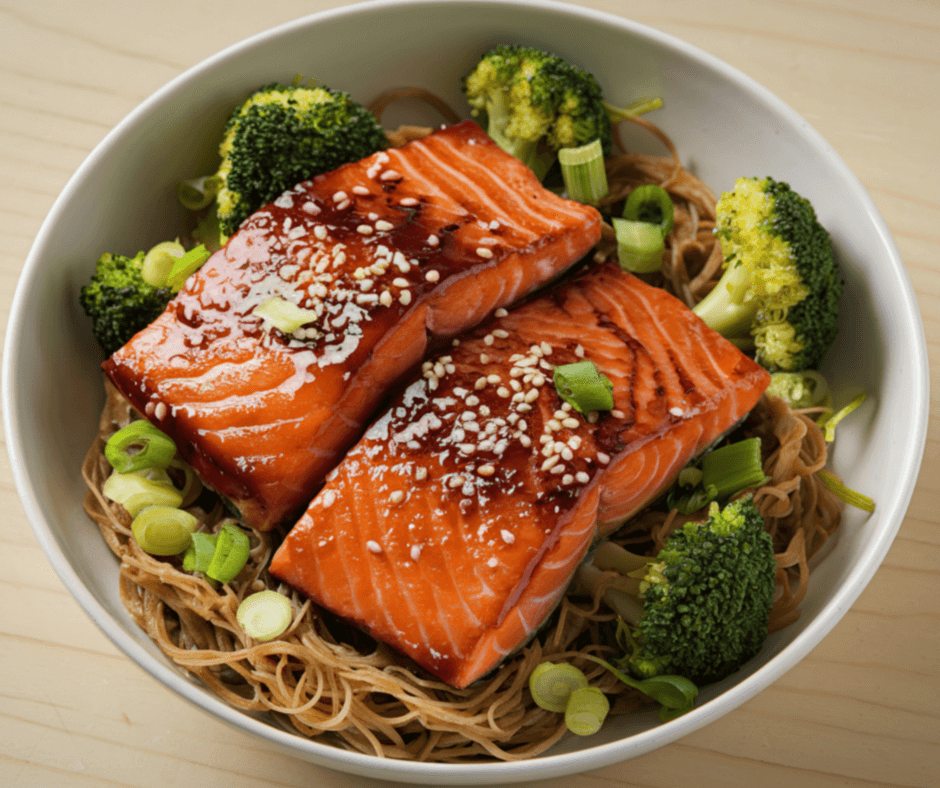
Support Estrogen Balance Through Nutrition
Nutrition plays a foundational role in hormonal health. Certain foods contain compounds that gently support estrogen activity and metabolism.
Phytoestrogen-Rich Foods
Plant compounds called phytoestrogens can bind to estrogen receptors and may help ease symptoms of decline.
Include:
- Flaxseeds
- Sesame seeds
- Chickpeas
- Lentils
- Fermented soy (tempeh, miso)
Cruciferous Vegetables
These vegetables support healthy estrogen metabolism in the liver, helping the body process and eliminate estrogen efficiently:
- Broccoli
- Cauliflower
- Brussels sprouts
- Arugula
Healthy Fats
Estrogen is synthesized from cholesterol, making healthy fat intake essential.
Focus on:
- Omega-3-rich fish
- Walnuts
- Chia seeds
- High-quality olive oil
Healthy fats also reduce inflammation, which can worsen menopausal symptoms.
As a side note, even though overall estrogen levels decline during peri- and post-menopause, estrogen balance and metabolism still matter just as much as estrogen quantity.
Here’s why:
It’s Not Just About How Much Estrogen You Have
It’s About How You Process It
The body doesn’t just produce estrogen. It also breaks it down and clears it through the liver and digestive system. This process creates different estrogen metabolites (byproducts), some of which are more inflammatory or stimulating than others.
If estrogen isn’t metabolized efficiently, you can experience:
- Estrogen dominance relative to progesterone (common in perimenopause)
- Increased inflammation
- Breast tenderness, bloating, mood swings
- Greater long-term risk of hormone-sensitive conditions
So even if total estrogen is declining, poor metabolism can still lead to symptoms.
Perimenopause Is Often a Phase of Fluctuation, Not Just Decline
In perimenopause especially, estrogen doesn’t drop steadily. It fluctuates. Some cycles may produce very high estrogen levels, followed by sharp declines.
Supporting liver detoxification helps the body:
- Clear excess estrogen when levels spike
- Maintain a healthier estrogen-to-progesterone balance
- Reduce symptom severity during hormonal swings
Why Cruciferous Vegetables Help
Cruciferous vegetables like broccoli, cauliflower, and Brussels sprouts contain compounds (such as sulforaphane and indole-3-carbinol) that support healthy estrogen metabolism pathways in the liver.
This doesn’t mean they “lower” estrogen in a harmful way. Instead, they help the body:
- Convert estrogen into more favorable metabolites
- Eliminate used hormones efficiently
- Reduce inflammatory byproducts
Think of it like this:
We’re not trying to eliminate estrogen because it’s “bad.”
We’re helping the body recycle and regulate it properly.
The Goal: Hormone Efficiency, Not Hormone Suppression
In midlife, the goal isn’t simply boosting estrogen or preventing its decline at all costs. It’s about:
- Supporting balanced production
- Improving receptor sensitivity
- Ensuring clean metabolism and elimination
- Reducing overall inflammation
Strength training, adequate protein, healthy fats, fiber, cruciferous vegetables, and herbal support (discussed below) all support this full hormonal ecosystem.
Estrogen decline is natural. Hormonal chaos doesn’t have to be.
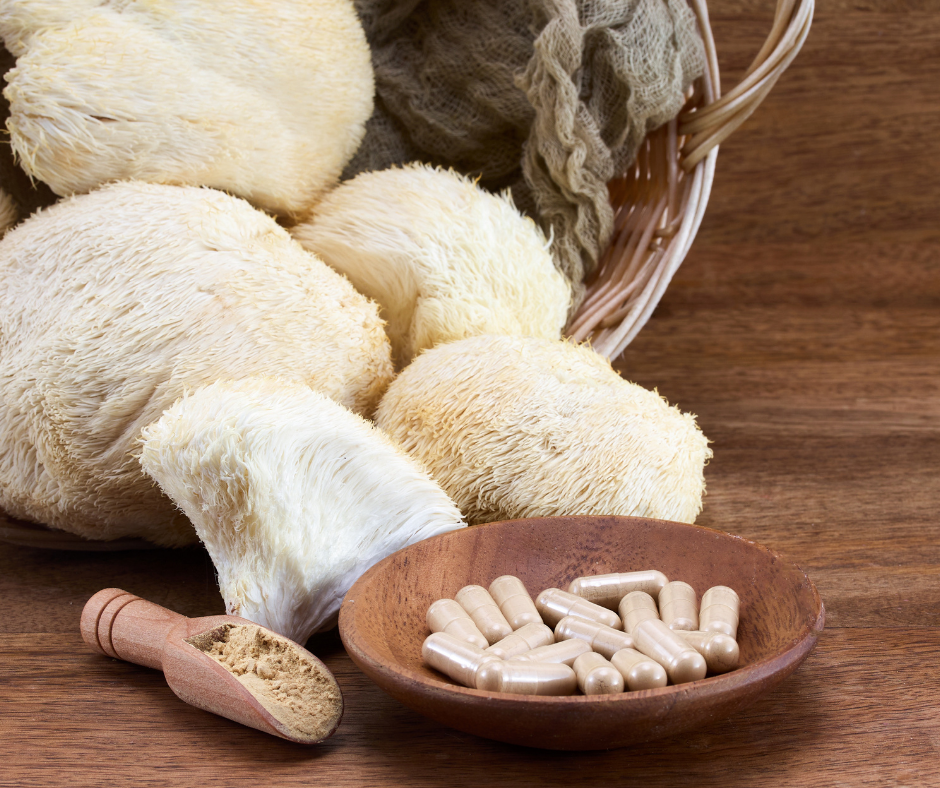
Mushrooms for Hormone Balance
Certain medicinal mushrooms may support hormonal balance, though not by directly “boosting” estrogen. Instead, they tend to work indirectly by supporting stress regulation, liver function, immune modulation, and inflammation control, all of which influence hormonal health
Reishi (Ganoderma lucidum)
- Considered an adaptogenic mushroom
- Supports the stress response (HPA axis, the Hypothalamic-Pituitary-Adrenal axis, discussed more below)
- May help lower chronically elevated cortisol
- Supports liver function, which is key for estrogen metabolism
Because chronic stress can suppress reproductive hormones and worsen menopausal symptoms, reishi’s calming and regulatory effects may indirectly support hormonal balance.
Cordyceps
- Supports energy production and oxygen utilization
- May improve stamina and reduce fatigue
- Traditionally used to support libido and vitality
While not estrogenic, cordyceps may help counteract the low energy and reduced drive some women experience during hormonal transition.
Lion’s Mane
- Supports cognitive function and nerve health
- May help with mood stability and brain fog
Since estrogen influences brain health and neurotransmitter function, lion’s mane may be helpful for women experiencing cognitive shifts in perimenopause and menopause.
Chaga
- Rich in antioxidants
- Supports immune balance and inflammation control
- May support liver function
Healthy liver function is essential for efficient estrogen metabolism, making chaga indirectly supportive.
Important Clarification
Most medicinal mushrooms do not directly increase estrogen levels. Instead, they:
- Support stress resilience
- Improve inflammatory balance
- Assist liver detoxification
- Enhance energy and cognitive function
In midlife, supporting the systems that regulate hormones (nervous system, liver, immune system) is often more powerful than trying to artificially raise hormone levels.
As with herbs, supplementation should be individualized, especially for women with autoimmune conditions, hormone-sensitive cancers, or those taking medications.
Understanding the HPA Axis and its Hormonal Influence
Let’s talk more about the HPA axis, stands for the Hypothalamic–Pituitary–Adrenal axis. It’s one of the body’s primary stress-response systems and plays a major role in hormonal balance.
Here’s how it works:
- Hypothalamus (in the brain) detects stress and sends a signal.
- Pituitary gland releases a hormone that tells the adrenal glands to respond.
- Adrenal glands produce cortisol (your primary stress hormone).
This system is essential for survival. It regulates:
- Stress response
- Cortisol production
- Blood sugar levels
- Immune function
- Energy availability
- Inflammation
Why the HPA Axis Matters for Estrogen Balance
The body prioritizes survival over reproduction.
When stress is chronic and cortisol remains elevated:
- The body may downregulate reproductive hormone production
- Progesterone can decline
- Estrogen signaling may become disrupted
- Sleep and recovery worsen
- Inflammation increases
This is why chronic stress can intensify perimenopausal symptoms like mood swings, fatigue, weight gain, and irregular cycles.
In Simple Terms
The HPA axis is the communication highway between your brain and your adrenal glands.
If that highway is constantly activated by stress, poor sleep, overtraining, emotional strain, under-eating, your hormonal balance can suffer.
Supporting the HPA axis through:
- Strength training (without overtraining)
- Adequate protein and calories
- Quality sleep
- Nervous system regulation (breathwork, mobility, restorative work)
- Adaptogenic herbs and mushrooms
helps create a more stable hormonal environment.
Hormones don’t operate in isolation.
They respond to stress signals first.
Herbal Support for Estrogen Balance
Herbs don’t “replace” estrogen, but some may help modulate symptoms, support metabolism, or improve the body’s stress response during hormonal transition.
- Black Cohosh
• Commonly used for hot flashes and night sweats
• May help reduce mood fluctuations
• Often used short-term during intense symptom phases - Red Clover
• Contains natural phytoestrogens (isoflavones)
• May support mild estrogenic activity
• Sometimes used to support bone and cardiovascular health - Maca Root
• Adaptogen that supports the stress response (HPA axis)
• May improve energy, mood, and libido
• Does not contain estrogen but may support hormonal signaling balance - Red Raspberry Leaf Tea
• Traditionally used as a uterine tonic
• Rich in minerals like magnesium and iron
• May support cycle regulation in perimenopause
• Often used to ease PMS-like symptoms as cycles become irregular
(Note: It doesn’t directly increase estrogen but may support reproductive tissue tone and overall cycle health.) - Chasteberry (Vitex)
• Supports progesterone production by influencing the pituitary gland
• May help in perimenopause when estrogen dominance (relative to progesterone) is present
• Often used for cycle irregularity and breast tenderness - Dong Quai
• Used in Traditional Chinese Medicine for women’s hormonal health
• May support circulation and menstrual regulation
• Often combined with other herbs rather than used alone - Ashwagandha
• Adaptogen that lowers cortisol
• Indirectly supports hormonal balance by reducing chronic stress load
• May improve sleep and mood stability
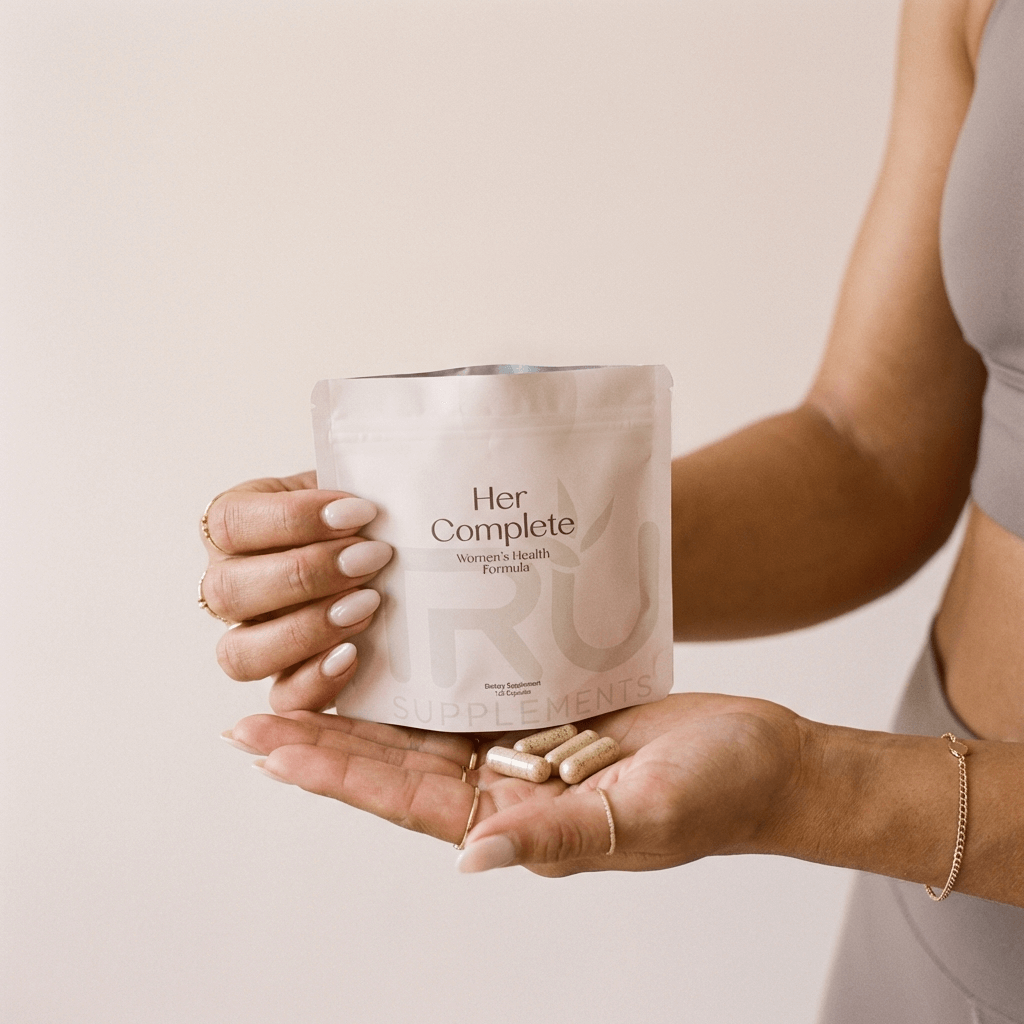
These herbs can be a powerful addition to one’s routine when trying to keep the hormones at optimal levels. TRU Supplement’s HER Complete product was designed with the herbs Dong Quai and Ashwagandha, and it also includes Broccoli Sprout Powder and Maca Root Extract, as a formula women can use to gently promote hormonal balance.
Important Note:
Herbal support should always be individualized. Women with a history of hormone-sensitive conditions (such as estrogen-receptor-positive cancers, fibroids, or endometriosis) should consult a qualified healthcare provider before using phytoestrogenic herbs.
Herbs can be supportive tools, but strength training, nutrient-dense food, sleep, and stress management remain the foundation.
Lifestyle Habits That Protect Hormones
Chronic stress elevates cortisol, which can suppress reproductive hormone production and intensify symptoms.
Support hormonal balance by prioritizing:
- Quality sleep
- Stress management practices (breathwork, yoga, mobility sessions)
- Consistent strength training
- Recovery and nervous system regulation
Peri- and post-menopause are not seasons of decline. They are simply transitions that require intentional care. By reducing exposure to hormone disruptors, fueling the body with supportive nutrients, incorporating evidence-informed herbs, and committing to strength training, women can protect their vitality and continue building strength from the inside out for decades to come.
The goal is not to “fight” your biology, but to work with it.
Train With Intention
If you’re looking for a structured, strength-focused approach designed to support muscle development, joint health, and long-term consistency, Sculpt Foundations provides a progressive framework built on functional movement and intelligent loading.
Whether training at home or in the gym, this program emphasizes form, balance, and sustainable strength, which is exactly what the body needs as hormonal landscapes evolve. It also includes a holistic meal plan to help you fuel and nourish your body properly for optimal hormonal support.
Because your body can thrive during peri- and post-menopause with the right strategy, and strength training tops the priority list.